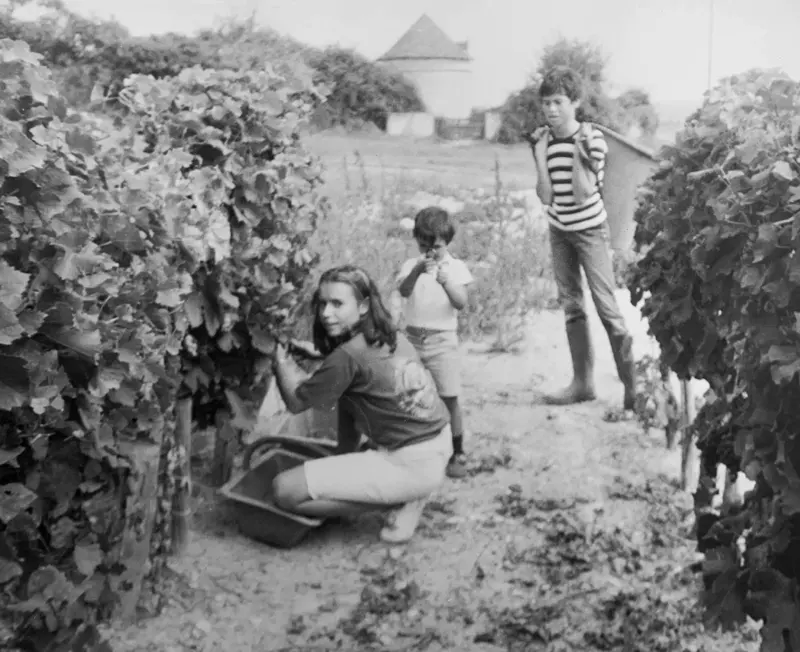
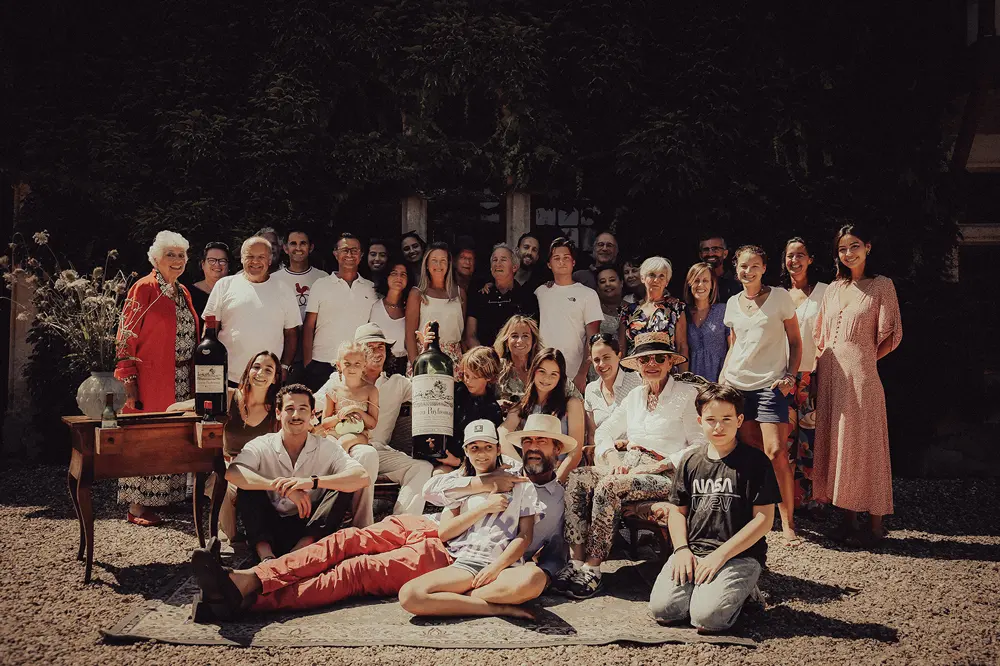
our family’s history has been closely intertwined with wine and the Bordeaux vineyards. First coopers and then wine merchants, our family acquired Château Puyfromage in 1943, a family-owned wine estate in the Francs Côtes de Bordeaux appellation. Today, a new generation is continuing this story with the same passion: to reveal the unique character of our terroir, preserve it and pass this family heritage on to future generations.
A family history
Coopers, winery equipment manufacturers, wine merchants and winegrowers… these are just some of the professions practised by our ancestors, including Pierre Moreau and Georges Pépin.
Our grandfather, Pierre Marque, used to tell us that it all begin in 1764. That was the year Pierre Moreau founded Tonnellerie Moreau in Cognac, today known as Seguin Moreau – one of the world’s most renowned cooperages
Meanwhile, Pépin-Gasquet, founded in 1811 by Georges Pépin, grew to employ as many as 420 people in Bordeaux. At the time, it was the only French company in the wine industry specialising in wine treatment and conditioning. For many years, the company was managed by our great-uncle, Jean Bacqué, exported filters, wine presses and other winery equipment all over the world. Pépin-Gasquet also owned Château Ségur, a well-known wine estate in Bordeaux’s Médoc appellation.
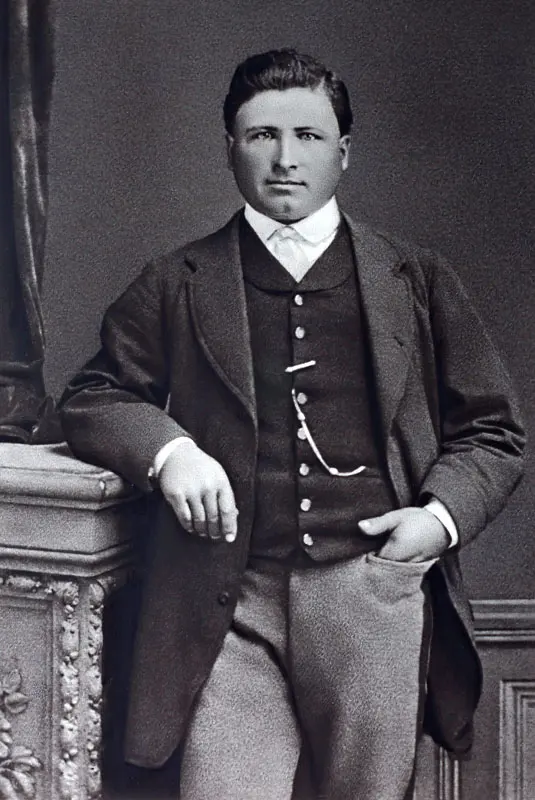
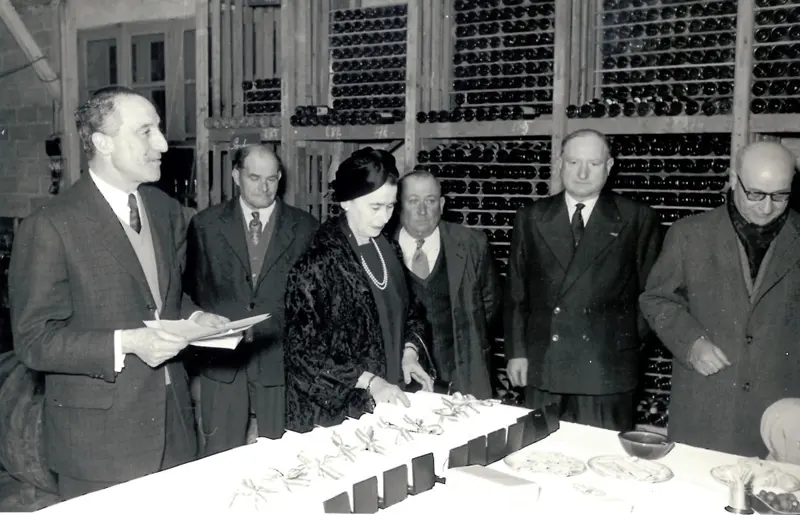
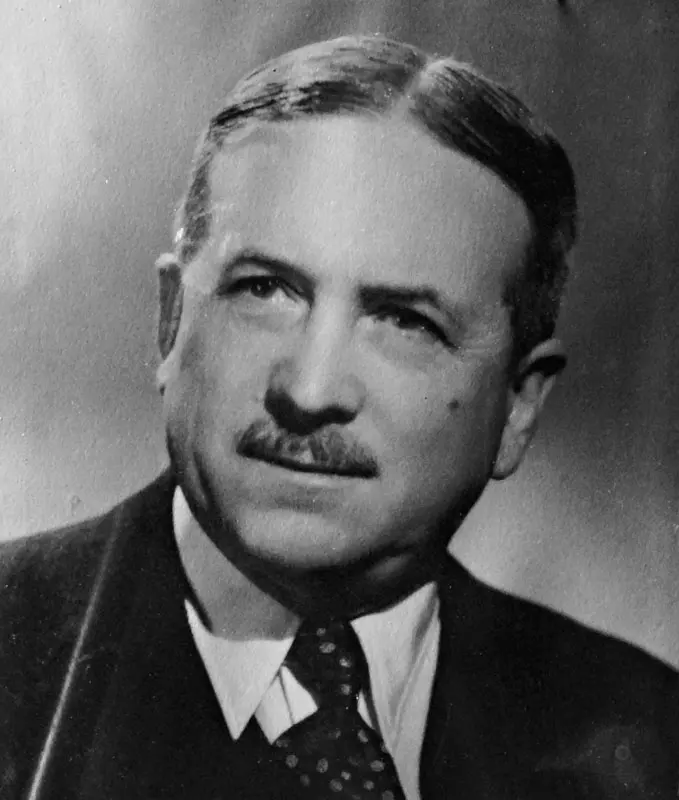
In 1913, our great-grandmother Andrée Moreau married Abel Albert, who, at a very young age, succeeded his father François. In 1880, François had founded a fine wine merchant business in Angoulême, near Bordeaux. In 1929, Abel hired our grandfather, Pierre Marque, as his general agent. Despite the extensive travelling required to sell the wines, Pierre found time to fall deeply in love with his employer’s only daughter, Jacqueline. They married in 1937, when she was just 17 and he was 26. Pierre went on to manage the wine merchant business until 1974.
In 1943, Abel Albert acquired Château Puyfromage together with Pierre Taittinger, founder of the prestigious Taittinger Champagne House and then Mayor of Paris. Confident in the experience and abilities of his son-in-law, Pierre Marque, Abel entrusted him with the management of the estate. Pierre later passed the reins on to his son Philippe, who in turn handed them over to his younger brother, Frédéric.
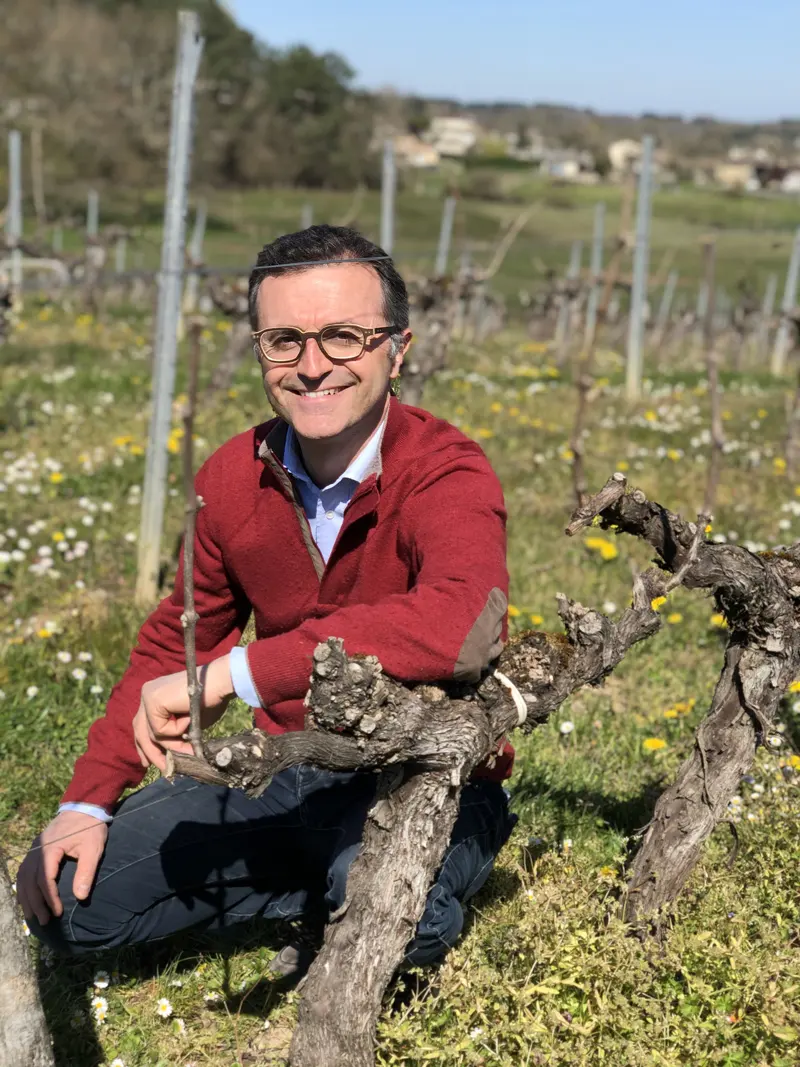
Following the transmission from our parents’ generation, Château Puyfromage is now owned by ten cousins. Since the beginning of 2025, a new generation has taken on the responsibility of continuing this remarkable family story, entrusting the management of the estate to Jean- Bertrand. He brings with him the experience gained alongside his father Philippe, as well as from running Château Maison Noble, which he acquired out of passion in 2012.
Committed and deeply committed to strong values, Jean-Bertrand strives to preserve the distinctive character of Puyfromage – the result of a unique terroir combined with expertise patiently acquired over time and passed down from one generation to the next.
Our investments have always had one simple purpose: to make ever-better wines and never disappoint those who choose them.
History of the property
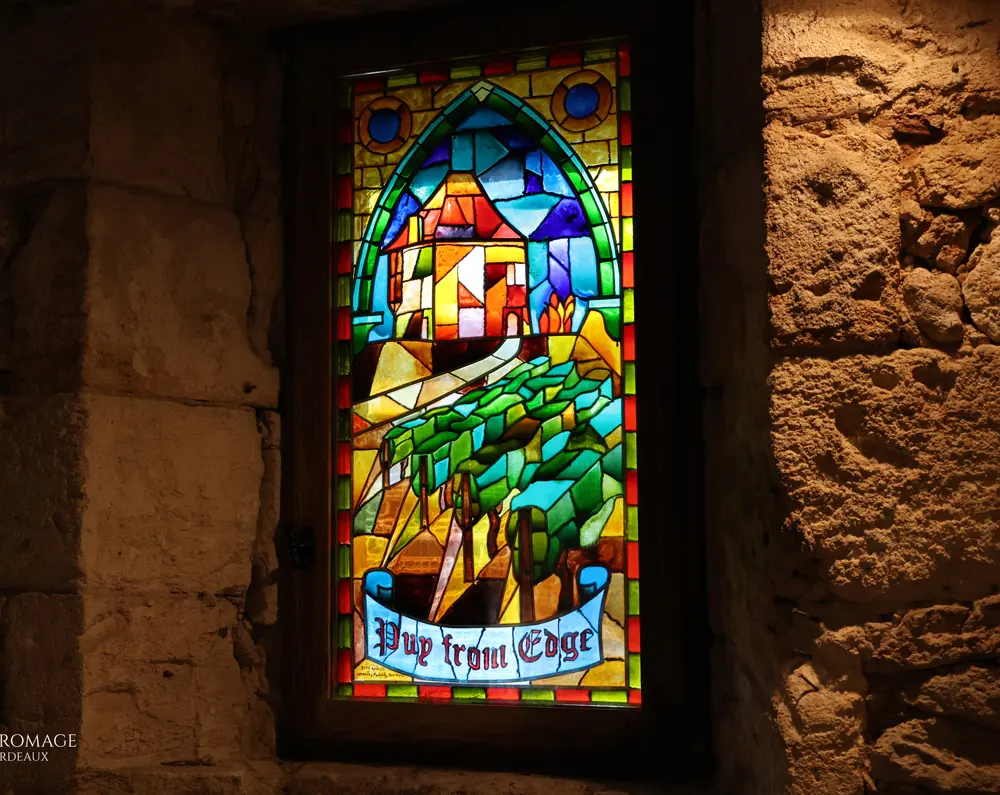
PUYFROMAGE is a rather unusual name. Local history offers the following explanation. PUY, as in many other French place names – such as the Puy de Dôme in Auvergne – means a hill or high point : Château Puyfromage is indeed located on the secondhighest point in the Gironde department. FROMAGE is said to be a corruption of the English words “FROM EDGE”, meaning “from the hillside”, from where optical signals were reportedly sent during the Hundred Years’ War.
Interestingly, history seems to repeat itself: as early as 1953, French television was transmitting radio signals from a tower erected among our vineyards.
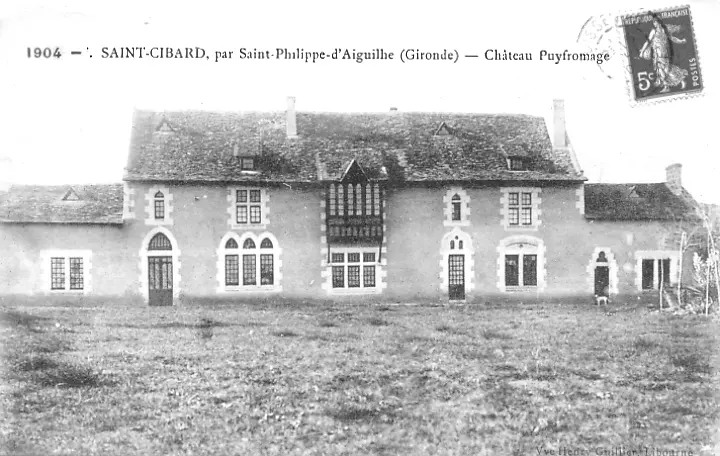
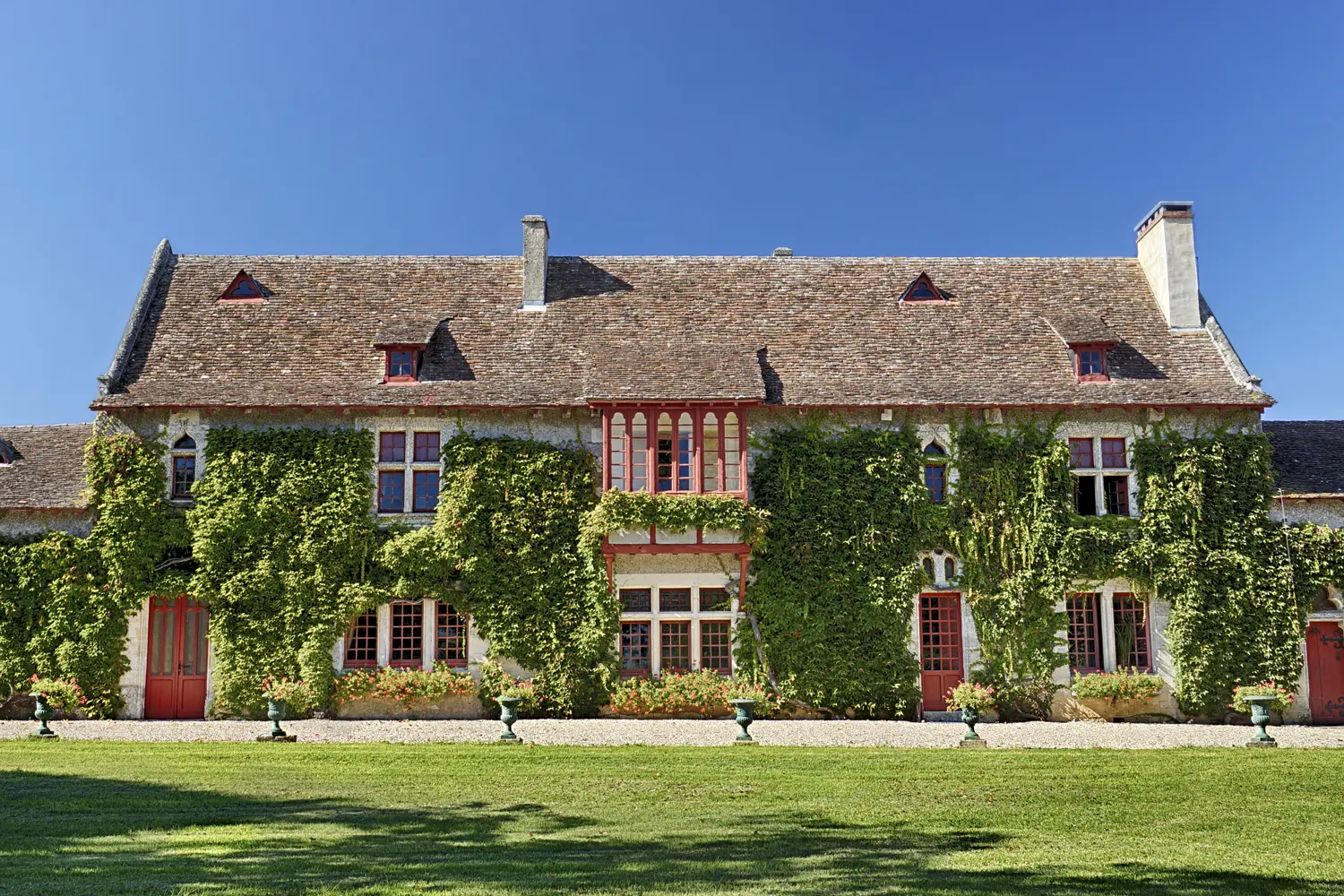
The estate’s historic buildings bear witness to its long history. When the Château’s roof structure was restored following a fire, the date 1574 was discovered on the main beam. The mullioned windows are characteristic of the Renaissance period. The glass balcony section must have been added later…
The estate has belonged to the Marque-Albert family since 1943.
The château
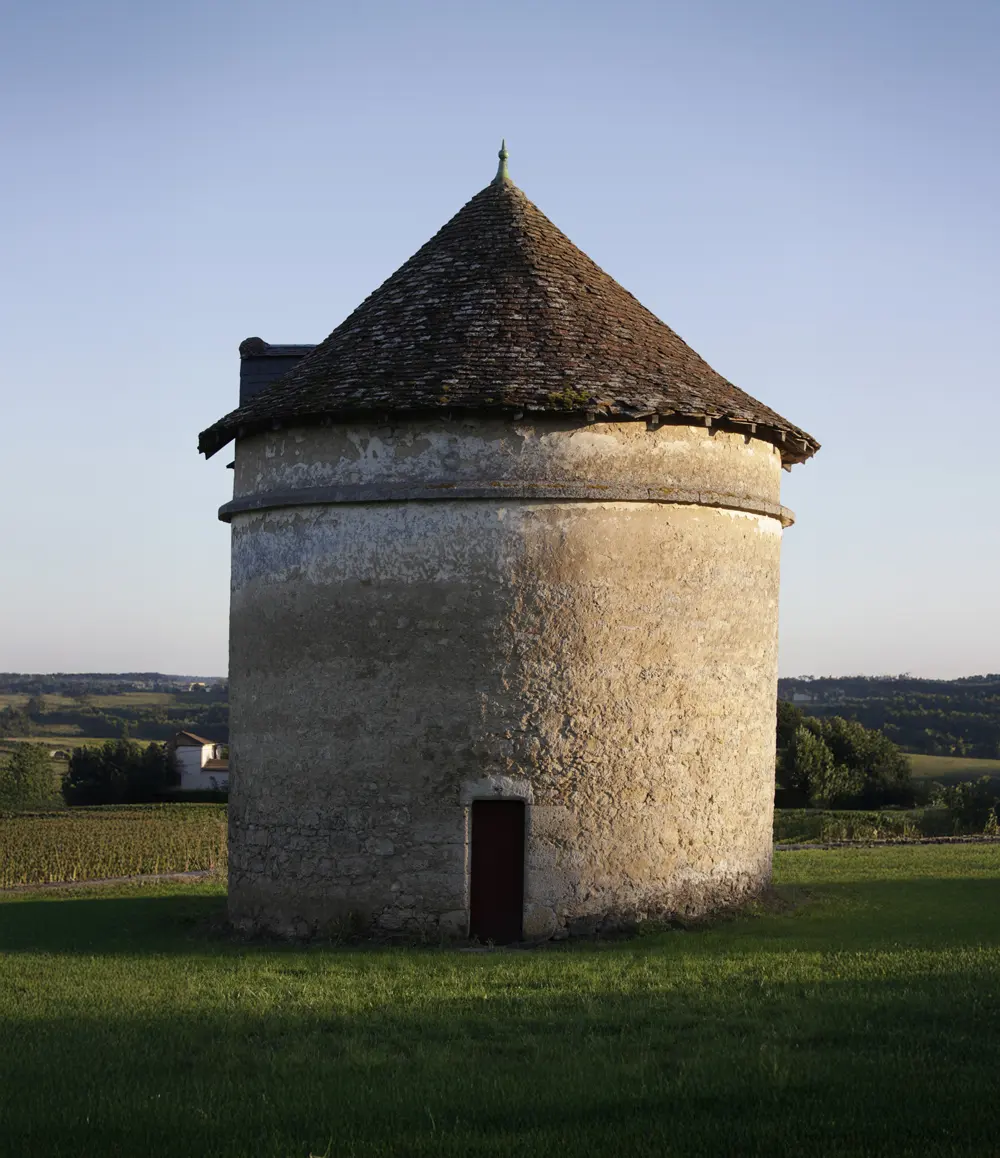
Set on one of the highest points in the area, in the continuation of Saint-Émilion’s limestone plateau, the present-day Château Puyfromage was built in 1574, close to the remains of an 11th-century château and a 16th-century royal dovecote.
The dovecote
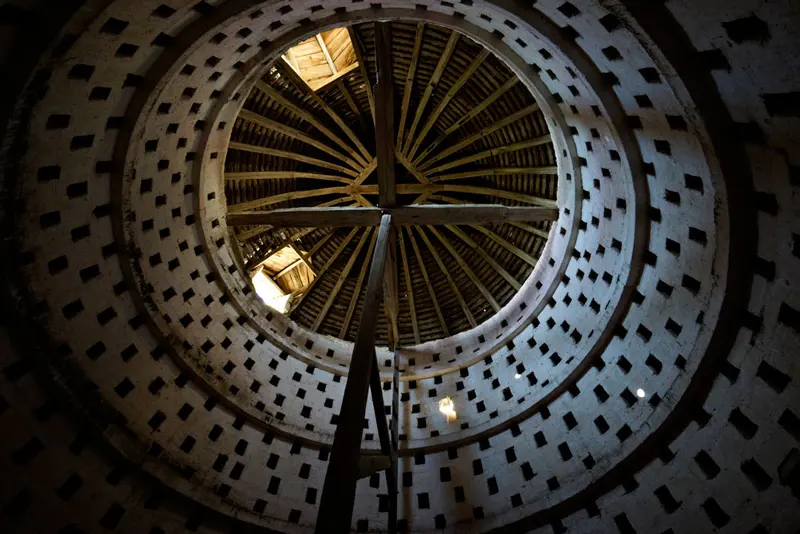
These dovecotes, rarely built on such an impressive scale, were above all symbols of prestige: the larger they were, the more powerful the lord.
Each nesting hole represented one journal – an old unit of land corresponding to the area one person could work in a day, approximately 49 ares (0.49 hectares). Based on this calculation, the estate would once have covered around 490 hectares, five times its present size. The number of nesting holes occupied by pigeons was also used as a basis for calculating taxes.
The pigeons could cause considerable damage to crops, with each bird consuming around 25 kilos of food per year. A document held in the Departmental Archives even states: “We, Napoleon, Emperor of the French and King of Italy… prohibit pigeons at Puyfromage.”
Pigeon meat was highly prized, while their droppings, known as colombine, provided a particularly valuable fertiliser at a time when artificial fertilisers did not exist. It was so highly prized that it was sometimes even included in a bride’s dowry – in 1837, it was worth 25 francs per hectolitre!